
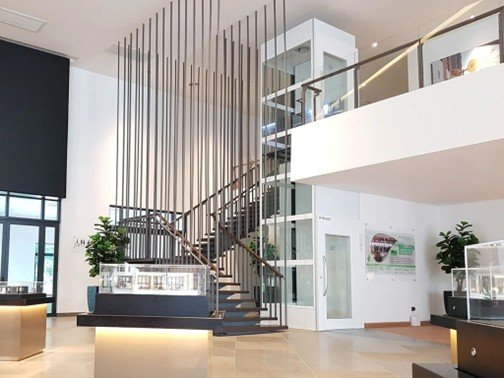
Commercial lifts are some of the most heavily used systems in a building because they move people and goods between floors and keep daily operations moving. Are you planning to upgrade the ones in your property to handle higher traffic and reduce delays? Here are some tips on matching your lift system to your building’s demands so that it can handle peak traffic, no problem.
Understand your building’s specific needs
Start by identifying what your building actually requires. How much weight does the lift need to carry? How much space do you have available? Are access points tight or restricted?
Consider where the lift will operate. Do you plan to install it indoors or outdoors? In areas where the ground isn’t level? Answering these questions will help you choose a lift that matches your building’s requirements to avoid performance issues and safety concerns.
Pick the right type of commercial lift
Different types of commercial lifts suit different buildings and uses. When you know how each type works, it’s easier to make a better decision.
Electric traction lifts are commonly used in apartment buildings and commercial properties across Australia. In addition to their smooth operation and clean performance, they are also known for being simple to maintain. These elevators usually operate inside a lift shaft, which can be part of your building structure or constructed using materials like steel and glass.
Hydraulic lifts (as the name suggests) uses hydraulic fluid to power the lifting system. You will often see them in commercial environments, although they can also be installed in residential properties in some cases.
If you’re moving items instead of people, dumbwaiters will get the job done. These commercial lifts are a common sight in restaurants and hotels, as well as hospitals, for transporting anything from food and documents to laundry and supplies between floors. With a dumbwaiter, your staff can work more efficiently and keep operations organised.
Consider sustainability and energy efficiency
Energy efficiency is an important factor when selecting commercial lifts. Traction elevators typically use less energy than hydraulic systems, which can lower operating costs and reduce environmental impact. You can also look for features such as regenerative drives and LED lighting, as well as standby modes to improve energy savings.
If your building aims to meet Australian sustainability standards, you may also want to explore lift systems that contribute toward Green Star certification from the Green Building Council of Australia.
Features that maximise efficiency
- Energy-efficient motors help reduce power consumption while maintaining strong performance.
- On the other hand, gearless motor technology improves hoisting efficiency to reduce your energy use and provide quieter, smoother operation. You’ll often find these efficient motor systems in traction elevators.
- Regenerative drives in commercial lifts capture energy produced during braking and return it to the building’s electrical system. This reduces wasted energy and can help lower your overall energy costs.
- A machine-room-less (MRL) lift can also maximise your building’s efficiency since all its components are within the shaft instead of requiring a separate machine room. It lets you save space and simplifies building design. When combined with gearless traction machines or regenerative drives, these lifts can also improve energy efficiency.
Lift Experts can help you choose the right commercial elevator
Here at Lift Experts, choosing commercial lifts is a lot more straightforward. We carry out a detailed needs analysis to understand your building requirements, then consider other unique factors that can impact your choice, such as budget and customisation options.
If you need help comparing commercial lifts for your building, you can request a quick estimate or ask for a callback. We can present options from eight different OEM manufacturers, making it easier for you to compare commercial elevators and choose the right units based on overall value and cost.